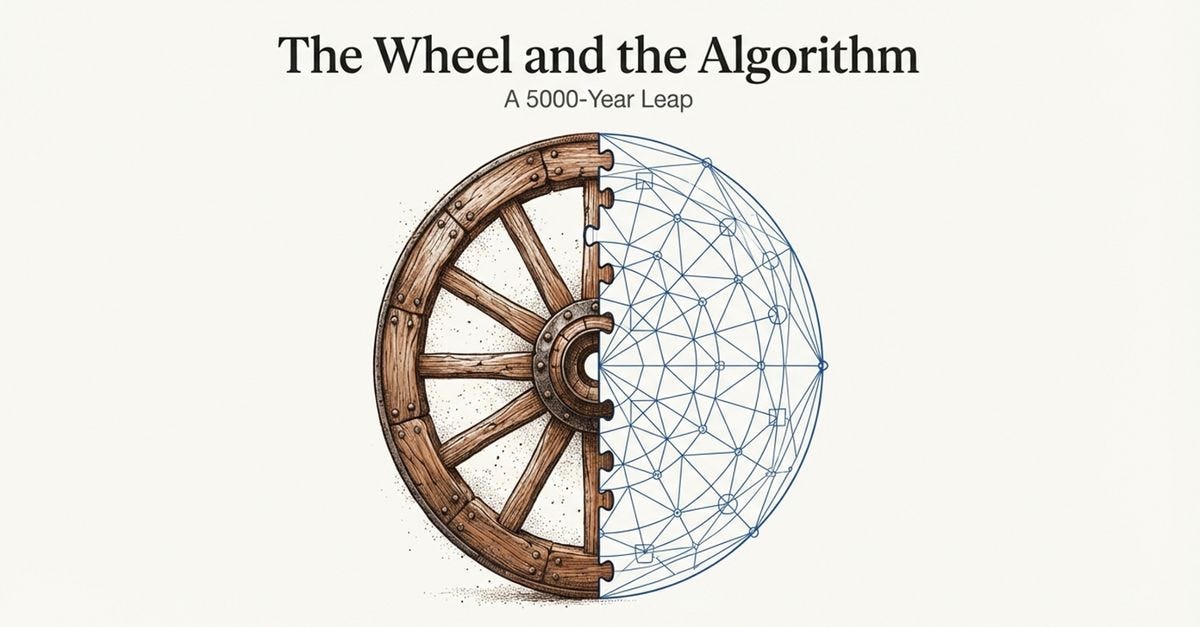

Lucky spin games, with their enticing wheels of fortune, are a staple in online gaming and marketing. They seem simple on the surface: you spin the wheel and hope for the best. But behind the vibrant graphics and flashing lights lies a sophisticated algorithm that determines every outcome. Understanding these mechanics can demystify the process and reveal the blend of chance and control that defines these games.
The Core Engine: Random Number Generators (RNG)
At the heart of every legitimate lucky spin game is a Random Number Generator (RNG). This is a complex piece of software that continuously produces sequences of numbers. When a player hits the “spin” button, the RNG provides a number that corresponds to a specific segment on the wheel. The key takeaway is that this process is designed to be entirely random, meaning each spin is an independent event. The outcome of your last spin has absolutely no influence on your next one. This is similar to flipping a coin; getting heads five times in a row doesn’t change the 50/50 probability of the sixth flip.

Weighted Probabilities: Not All Slices Are Equal
While the core of the spin is random, it doesn’t mean every prize has an equal chance of being won. Game operators often implement a system of weighted probabilities. This means that high-value prizes (like a jackpot or a rare item) are assigned a much lower probability of being hit than common, low-value prizes. For example, a grand prize might have a 0.1% chance of winning, while a small bonus might have a 30% chance. The algorithm uses the RNG to select a number, but the range of numbers assigned to each prize is adjusted according to these weights. This allows operators to control the overall payout rate and ensure the game remains profitable while still offering the allure of big wins.

Ensuring Fairness: The Role of Limits and Business Logic
A common concern for both players and operators is the potential for runaway luck draining a prize pool. To prevent this, a crucial “safety net” is built into the system. This business logic layer acts as an overseer to the probability engine. Even if the RNG lands on a winning number for a major prize, the system performs a series of checks before awarding it. These checks can include:
- Reward Stock Limits: Is the prize still in stock? For physical goods or limited-edition items, the system will stop awarding them once the inventory is depleted.
- Campaign Budgets: Has the overall budget for the promotional campaign been reached?
- Player-Specific Limits: Has this particular player already reached their daily or total win limit for this prize category?
If any of these limits have been met, the system will override the “win” and typically award a consolation prize or a non-winning result. This ensures the game remains fair and sustainable for the operator, preventing budget overruns from statistically unlikely but possible winning streaks.

Conclusion: A Calculated Game of Chance
The algorithm behind a lucky spin wheel is a fascinating blend of true randomness and calculated control. While the RNG ensures that each spin is an unpredictable event, the use of weighted segments and strict business logic provides a framework that manages the odds and protects the game’s integrity. For players, it’s a reminder that while luck plays the starring role, the game itself is operating within a carefully designed mathematical and programmatic structure.



Editorial Review: This guide has been reviewed by the editorial team for clarity, practical value, mobile usability, payment safety, and safer decision-making.